
Utcstav Innovation and Reliability in Poultry Equipment
Products
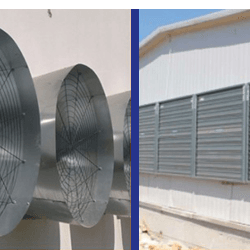
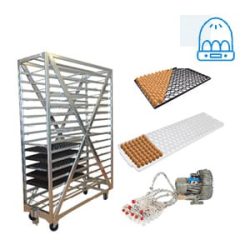
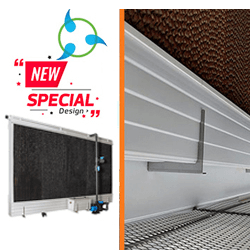
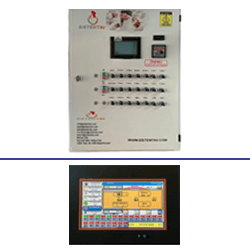
Poultry Equipment
Feeding Systems
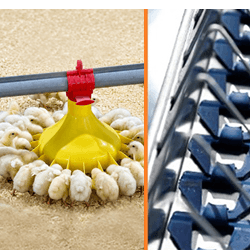
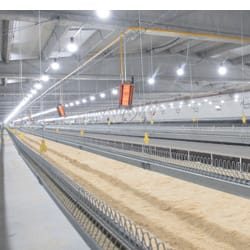
Feeding systems have become an indispensable part of modern farms today. Especially in large-scale livestock operations, automatic feeding systems and advanced feeding machines significantly increase efficiency while reducing labor costs. Since feed management on farms is directly related to animal health and production performance, poultry feeding solutions play a major role across the industry. Compared to traditional methods, industrial feeding equipment saves both time and feed while preventing waste. With automatic feeding systems, it is possible to deliver equal amounts of fresh feed to every animal.
With technological advancements, feeding machines now operate with sensor and automation-based systems, providing farm owners with advantages such as stock monitoring, automatic dosing, and remote control. Among poultry feeding solutions, spiral and chain line systems, central feed silos, and smart distribution modules stand out. Particularly in broiler and layer poultry farming, these systems ensure continuity at every stage of the production cycle. This guarantees uninterrupted nutrition during the animals’ growth and development periods while minimizing health problems. In addition, industrial feeding equipment simplifies regular cleaning and maintenance, ensuring high hygiene standards.
Advanced automatic feeding systems maximize savings not only in labor but also in feed consumption. Thanks to smart control panels, feed dosage can be adjusted according to the needs of animals in each section, and feeding machines automatically issue warnings in cases of overfeeding or shortages. In large farms, poultry feeding solutions minimize human error and maintain consistently high productivity. The durability and food-grade quality of materials used in feeding systems are critical for long-term operational success. Stainless steel and high-density plastic materials are especially preferred.
Together with automatic feeding systems, software-supported monitoring and reporting features are becoming increasingly common. Farm owners can analyze feed consumption history and plan future stock requirements accordingly. Details such as maintenance intervals, malfunction status, and energy consumption of feeding machines and lines can be monitored digitally. Poultry feeding solutions are also designed to improve animal welfare and health with suitable feeder designs and optimized line layouts. Professional engineering and site inspections during installation ensure the most efficient results.
Integrated silo and transport lines working with modern industrial feeding equipment provide major logistical advantages for farms. Feeding systems minimize feed loss and increase business profitability. New-generation automatic feeding systems support production processes with full automation while also contributing to energy savings and environmentally friendly farm management practices. Especially in large-scale poultry facilities, poultry feeding solutions are essential for productivity growth. All these technological developments make it possible to deliver higher-quality and more sustainable products for both producers and consumers.
Suitable feeding machines and automation systems should be selected according to the size of the operation, animal capacity, and targeted production model. When installing feeding systems, energy efficiency, easy maintenance, and safe operating principles should always be considered. Thanks to innovative poultry feeding solutions, production costs are reduced while creating a competitive and sustainable business model becomes easier. This ensures both short-term productivity and long-term operational success.
Watering Systems
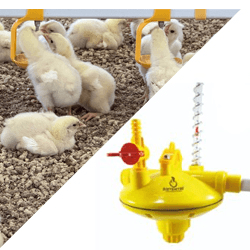
Watering systems are among the indispensable infrastructure solutions in modern agriculture and livestock facilities. Especially in large-scale farms, automatic watering systems and smart control units optimize water consumption while maintaining the highest standards of plant and animal health. Compared to traditional methods, drip irrigation equipment and next-generation systems minimize water waste and reduce energy costs. Irrigation lines are specially designed according to the size of the land, the type of crops or animals, and regional climate conditions. Livestock watering solutions facilitate continuous access to clean water for cattle and small livestock, improving herd welfare.
Thanks to intelligent watering systems, environmental parameters such as humidity, rainfall, and temperature are continuously monitored, and the most suitable irrigation time is automatically determined. This reduces human error and ensures that each area receives the exact amount of water it requires. During the installation of an automatic watering system, the use of high-quality and durable materials for main lines and side connections provides long-lasting and trouble-free operation. With drip irrigation equipment, water is delivered directly to plant roots, reducing the risk of disease and fungus while increasing productivity.
The watering systems installed to meet the water demands of farms should be selected with energy efficiency in mind. Solar-powered pumps and automation systems enable smart water management. Automatic watering systems provide major convenience not only in agricultural production but also in livestock facilities such as barns and poultry houses. Especially during hot weather conditions, livestock watering solutions help reduce animal stress and maintain production performance.
Drip irrigation equipment includes emitters with different flow rates, filters, valves, and sensor systems. These technologies ensure balanced and equal water distribution across every section. Smart irrigation software enables remote monitoring and control, allowing any malfunction or water leakage to be detected instantly. For livestock watering solutions, automatic drinkers, stainless steel watering lines, and pressure-sensitive control valves are commonly preferred.
Investments made in modern watering systems provide noticeable reductions in both water and energy costs within a short time. Thanks to automatic watering systems and drip irrigation equipment, the need for personnel decreases and manual intervention is minimized. In addition, environmentally friendly and water-saving solutions are implemented in line with sustainability goals. Regular maintenance and technical inspections of these systems are essential for long-term, trouble-free, and efficient operation.
When selecting the most suitable watering systems for farms and agricultural enterprises, factors such as water source type, land structure, climate, and production model must be considered. While livestock watering solutions ensure uninterrupted access to water for animals, drip irrigation equipment supports efficient and healthy crop growth. All these factors are critical for achieving high productivity and sustainability in modern agriculture and livestock farming.
Cooling Systems
Cooling systems are critically important for animal welfare, productivity, and sustainable production in modern farms. Especially during the summer months, rising temperatures can cause serious stress and production losses in both poultry and cattle farming operations. For this reason, poultry farm cooling solutions help maintain balanced indoor temperatures and ensure healthy animal development. In recent years, the most preferred evaporative cooling systems have stood out with their low energy consumption and high efficiency. In these systems, air temperature is reduced through contact with water, creating cool and clean air circulation throughout the farm environment.
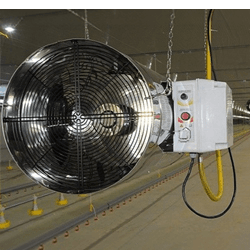
Compared to traditional methods, more economical and efficient industrial cooling solutions increase production performance in large-scale livestock enterprises. Among the most commonly used equipment on farms are high-capacity cooling fans, pad cooling systems, and automatic control panels. Pad cooling technology works by passing water through honeycomb-like pads to cool the air and rapidly reduce temperatures across large areas. A livestock farm cooling fan provides air movement, balances humidity levels, and creates a more comfortable atmosphere.
New-generation cooling systems are designed with energy efficiency in mind. Thanks to automation-supported panels used in modern farms, ambient temperature and humidity levels are continuously monitored, and cooling systems are activated automatically when required. This ensures both energy savings and minimized health risks for animals. Hygiene is also of great importance in poultry farm cooling systems; water circulation lines should be cleaned regularly, and filters should undergo maintenance checks.
Advanced evaporative cooling technology lowers ambient temperature without excessively increasing humidity while also reducing airborne dust levels. This provides significant advantages for both animal health and employee comfort. Industrial cooling solutions combined with insulated panels and automatic window systems make it easier to control indoor temperatures. In addition, a livestock farm cooling fan integrated with high-efficiency fans creates homogeneous airflow in large facilities.
During the installation of cooling systems, the facility size, animal capacity, and regional climate conditions must be carefully considered. When cooling systems are properly designed and equipped with suitable components, stable year-round production can be achieved. Especially next-generation systems equipped with automation control and remote monitoring features provide significant flexibility for farm managers. Investments in poultry farm cooling systems quickly pay for themselves by improving productivity and production quality.
Modern evaporative cooling systems provide environmentally friendly and cost-effective solutions. Thanks to energy-saving motors and durable materials, long-term trouble-free operation is possible. When choosing among industrial cooling solutions, the company’s technical support and service infrastructure should also be evaluated. With proper planning and maintenance, cooling systems reduce operational costs while improving animal health and production capacity.
Lighting Systems
Lighting systems play a critical role in modern farms in terms of both animal welfare and production efficiency. Especially in poultry and cattle farming operations, a properly designed lighting program regulates the biological rhythm of animals and reduces stress levels. Thanks to poultry house lighting solutions, egg production, growth rate, and overall animal health can be significantly improved. New-generation farm LED lighting systems provide energy savings while offering long service life and low maintenance costs. In addition, the desired behavioral responses in animals can be achieved through the correct selection of light intensity and wavelength.
Advanced lighting systems are generally integrated with automatic control panels. These panels allow easy adjustment of day and night lighting durations, light intensity, and on-off timing schedules. With an automatic lighting system, human error is minimized and lighting cycles can be fully managed. Farm LED lighting fixtures are usually manufactured to be resistant to dust, humidity, and impact, ensuring long-lasting performance even under harsh farm conditions.
In modern poultry house lighting applications, LED technology stands out prominently. The high efficiency and low energy consumption of LEDs reduce operational costs while also providing an environmentally friendly solution. The stable and balanced lighting environment created by lighting systems helps maintain a calm and comfortable atmosphere for animals. Especially in layer poultry farming, the correct lighting cycle directly affects egg production and shell quality.
With the automatic lighting system used in farms, light intensity and duration can be programmed easily. This makes it possible to provide the most suitable lighting conditions for animals of different age groups. Farm LED lighting fixtures emit low heat, preventing unwanted temperature increases and reducing fire risks. In addition, these systems are designed with modular structures that can be easily replaced during maintenance or in case of malfunction.
When selecting lighting systems, the facility size, animal capacity, and lighting requirements should be taken into consideration. Through professional planning, light source positioning and installation heights are optimized to ensure uniform and homogeneous lighting throughout the facility. In poultry house lighting solutions, light spectrums that closely resemble natural daylight are preferred, helping maintain the biological balance of animals.
To avoid high energy costs and improve production efficiency, LED-based farm LED lighting and automatic lighting systems should be preferred. Regular maintenance and fault inspections of lighting systems are essential for long-lasting and trouble-free operation. This not only reduces operating costs but also improves the living conditions and welfare of animals.
Silo and Feed Conveying Systems
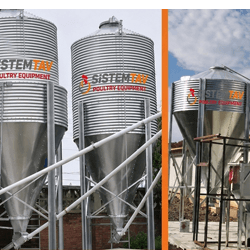
Silo and feed conveying systems are among the essential infrastructure solutions of modern livestock and agricultural enterprises. Especially in large-scale farms, silo systems make it possible to store large quantities of feed for long periods without deterioration. Manufactured from stainless steel or galvanized materials, these silos are highly resistant to external conditions while preserving feed quality. A feed conveying system automatically transports feed from the silo to feeding lines, providing significant labor savings. With an automatic feed conveying system, manual workload is reduced while businesses gain major advantages in both time and cost efficiency.
In large-scale livestock operations, silo systems ensure uninterrupted feed supply processes. Silo capacities are determined according to the number of animals and feed consumption habits of the farm. Modern feed conveying systems are generally supported by spiral or chain lines, auger conveyors, and automation panels. Through the automatic feed conveying system, feed requirements in different sections are distributed evenly and under control. During installation, energy efficiency, durability, and ease of maintenance should always be considered.
New-generation silo systems fully protect feed against risks such as humidity, heat, and pests coming from the external environment. Automatic discharge mechanisms and sensors located at the bottom of the silos continuously monitor stock levels and provide warnings when necessary. The feed conveying system minimizes losses during feed transfer while maintaining hygiene standards. In addition, the automatic feed conveying system ensures that the appropriate amount of feed is delivered quickly and safely to each animal group.
In industrial silo systems and feed conveying system projects, customized engineering solutions are implemented according to facility size, feed type, and operational model. During the installation of an automatic feed conveying system, user-friendly control panels simplify operational processes. Furthermore, remote monitoring and maintenance advantages ensure uninterrupted system continuity. When evaluating feed silo prices and model selections, factors such as capacity, material quality, and technical support availability are highly important.
In large farms, silo systems reduce logistics costs in the long term and provide immediate solutions during urgent feed demand situations. A feed conveying system integrates silos and feeding lines throughout the facility, creating a fully connected infrastructure. Through the automatic feed conveying system, feed waste is minimized, equal feed distribution is ensured, and maximum efficiency is achieved during growth and development processes. By selecting durable and high-quality equipment, businesses can establish a long-lasting and low-cost feed conveying infrastructure.
With the right equipment, proper engineering, and regular maintenance, silo and feed conveying systems make it possible to create a safe, efficient, and sustainable feeding infrastructure for both producers and animals. Professional planning and installation of these systems create a significant difference in both daily operations and long-term productivity.
Ventilation Systems
Ventilation systems are indispensable in modern farms for maintaining animal health, production efficiency, and overall operational performance. Especially in enclosed facilities, properly designed farm ventilation fans and automatic systems continuously provide fresh and healthy airflow. With poultry house ventilation applications, temperature, humidity, and harmful gas accumulation are kept under control, minimizing stress levels in animals. Thanks to an automatic ventilation system, climate control processes can be managed without the need for constant human intervention. Industrial ventilation solutions offer higher efficiency and sustainability, particularly in large-scale facilities.
Today, ventilation systems are generally designed with automation support. Through intelligent sensors, temperature, humidity, and gas levels are continuously monitored, and the farm ventilation fan automatically activates or deactivates when necessary. These systems remove hot air during summer while minimizing heat loss in winter. Poultry house ventilation solutions ensure homogeneous airflow inside the house and help prevent the spread of harmful pathogens.
Modern automatic ventilation systems focus not only on air circulation but also on energy efficiency. Fan operating times and speeds are adjusted in real time according to environmental needs. This reduces electricity consumption while maintaining maximum comfort for the animals. Industrial ventilation solutions include pad cooling, tunnel ventilation, and cross-flow systems. Each solution is optimized according to facility size, animal capacity, and regional climate conditions.
When selecting a farm ventilation fan, factors such as airflow capacity, energy consumption, and ease of maintenance should be carefully considered. Fans manufactured from stainless steel or special alloy materials provide long service life and reduced malfunction risks. In poultry house ventilation systems, the effective removal of bad odors and humidity directly impacts egg and meat production performance. Furthermore, a well-designed ventilation system strengthens the animals’ immune system and reduces disease risks.
Advanced automatic ventilation systems can also include remote monitoring and control panels. These systems allow facility managers to monitor environmental conditions in real time and quickly intervene when necessary. Integrated alarm systems included in industrial ventilation solutions further enhance safety and ensure uninterrupted production processes.
As a result, ventilation systems are one of the fundamental requirements for healthy, efficient, and sustainable production in the livestock industry. With farm ventilation fans, poultry house ventilation, automatic ventilation systems, and industrial ventilation solutions, high-standard working and living environments can be established for both animals and farm operators. Closely following technological advancements in this field is critical for the long-term success of any facility.
Nesting Systems
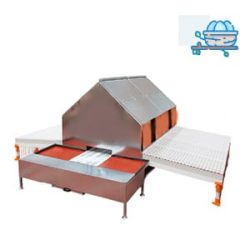
Nesting systems are among the key components that improve production efficiency and support animal welfare in modern poultry farming operations. Especially in layer poultry production, automatic nesting systems provide major advantages in terms of hygiene and egg collection efficiency. Poultry nesting equipment is designed in different capacities and material options to meet the specific requirements of each operation. Compared to traditional wooden nests, today’s systems manufactured from galvanized metal or high-density plastic are preferred due to their durability, easy cleaning, and long service life.
With new-generation nesting systems, eggs can be collected without damage or contamination. Automatic nesting systems use egg collection belts or gently sloped floor designs to ensure eggs safely reach the collection area. This minimizes the rate of broken or damaged eggs. Egg nesting systems also provide a comfortable environment for each hen, reducing stress levels within the flock.
Poultry house nesting models include manual or automatic opening-closing systems, sliding floor nests, and egg basket collection solutions. These systems are suitable for both small family farms and large-scale industrial facilities. Poultry nesting equipment ensures hygienic egg-laying conditions while also simplifying cleaning and maintenance procedures.
Advanced nesting systems are positioned according to the size of the facility, animal capacity, and production model. In automation-supported automatic nesting systems, egg collection belt speed and capacity can be adjusted as needed. Through egg nesting systems, eggs produced throughout the day can be gathered at a central collection point, eliminating the need for manual collection.
Poultry house nesting models provide savings in both labor and operational time thanks to their durable materials and practical installation features. In addition, extra functions such as internal lighting and ventilation improve egg quality and hygiene levels. Poultry nesting equipment offers long-lasting, low-maintenance, and reliable operation.
With the correct selection of nesting systems and an appropriate layout plan, both animal welfare and egg production efficiency can be maximized. When combined with technological innovations, automatic nesting systems and egg nesting systems enable faster and more efficient workflows in modern poultry farming.
Heating Systems
Heating systems are a critical infrastructure component in modern farms for ensuring both animal welfare and production efficiency. Especially during winter months or in colder climate regions, farm heating solutions are used to maintain ideal indoor temperatures, supporting healthy animal growth, reducing disease risks, and balancing feed consumption. With advanced automatic heating systems, ambient temperature is monitored in real time through sensors and control panels, and heaters are activated automatically whenever necessary.
Among the most commonly preferred heating systems in farms are infrared heaters, fan heaters, hot air blowers, and underfloor heating panels. Poultry house heating equipment ensures optimum temperatures during the chick-growing stage in poultry facilities, supporting rapid and healthy growth. In addition, infrared heating systems provide savings in both fuel and electricity consumption while ensuring more homogeneous heat distribution throughout the environment.
New-generation farm heating solutions are designed with energy efficiency in mind. Heating units operate automatically according to environmental needs, preventing unnecessary energy consumption. Thanks to the automatic heating system, day and night temperature differences are balanced, maintaining ideal living conditions for animals at all times. Poultry house heating equipment delivers long-lasting performance when maintained and cleaned regularly.
Infrared heating systems offer an economical and highly effective solution, particularly in regions with high energy costs. By directly heating animals and objects rather than the surrounding air, these systems achieve superior efficiency. In addition, safety sensors integrated into heating systems automatically shut down the system in cases of overheating or malfunction, minimizing fire risks.
In large-scale facilities, farm heating solutions can be integrated with centralized control panels and remote monitoring modules. This allows all heating devices to be managed from a single point, while maintenance and malfunction tracking become much easier. Through the automatic heating system, temperature values can be pre-programmed, and customized heat profiles can be created according to the age groups of animals. When selecting poultry house heating equipment, factors such as device capacity, energy consumption, and durability should be carefully considered.
Properly designed and well-maintained heating systems improve efficiency, animal health, and operational profitability in both small and large-scale livestock enterprises. Farm heating solutions, automatic heating systems, and poultry house heating equipment have become indispensable in modern production processes and continue to evolve into smarter and more economical technologies every year.
Chicken / Egg Transport Systems
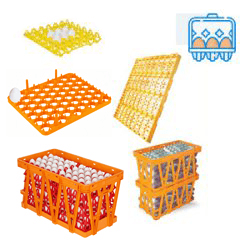
Egg transport systems and chicken transport systems represent one of the most important stages of production processes in modern poultry operations. Especially in high-capacity layer poultry houses, automated systems are used to collect, store, and package eggs quickly, hygienically, and without damage. Thanks to automatic egg transport solutions, labor requirements are reduced while quality standards are maintained. With an industrial egg conveyor system, eggs can be transported safely from the poultry house directly to the packaging area without damage. Likewise, poultry house transport equipment ensures maximum animal welfare during live animal transfers.
Compared to traditional manual collection and transportation methods, egg transport systems and automated conveyor technologies significantly improve productivity and hygiene standards. Special materials used on conveyor belts prevent eggs from slipping or colliding, reducing the rate of broken or damaged eggs. Chicken transport systems also provide safe and practical solutions during the relocation of flocks between different sections or facilities.
In automatic egg transport systems, sensors and control panels allow collection, transportation, and sorting operations to be fully automated. This minimizes human dependency and ensures uninterrupted production flow. Industrial egg conveyor systems include features such as speed control, automatic stopping, and product tracking. In addition, easy cleaning and maintenance of the conveyor belts ensure long-lasting and trouble-free operation.
When selecting poultry house transport equipment, durability, hygiene, and ease of use should be prioritized. Transport crates, cages, and ramp systems manufactured from plastic or galvanized materials minimize stress and injury risks during animal transportation. Through egg transport systems, packaging and storage operations become faster and more efficient.
Modern egg transport systems and automatic egg transport technologies enable thousands of eggs to be delivered safely to end users every day. Advanced sensors and software make it possible to track each egg individually throughout the production line. With an industrial egg conveyor system, product flow is optimized, production losses are reduced, and operational efficiency is increased.
All these developments create a fully integrated structure together with chicken transport systems and poultry house transport equipment. Transportation technologies used in modern poultry farming improve occupational safety and hygiene standards while also supporting a sustainable and economical production model.
Poultry Hatchery Equipment
Hatchery equipment is one of the fundamental requirements for achieving high efficiency and healthy chick production in the modern poultry industry. Especially with the use of poultry incubators and various automation systems, eggs can develop under controlled temperature and humidity conditions. Automatic incubation systems significantly reduce manual labor while greatly increasing hatch success rates. In addition, hatchery ventilation solutions continuously maintain fresh air circulation inside the facility, preventing harmful gas accumulation and excessive humidity.
Today’s advanced hatchery equipment includes automatic egg turning systems, precision temperature and humidity sensors, digital control panels, washing machines, and disinfection systems. With a poultry incubator, each egg is provided with a stable and homogeneous development environment. Automatic incubation systems ensure that production processes in high-capacity facilities continue according to standards without human error.
Modern hatchery ventilation technologies prevent unwanted temperature fluctuations while maintaining optimum oxygen levels throughout the incubation process. This supports embryo development and improves hatchability rates. An egg turning machine rotates eggs at precise intervals, preventing embryo membrane adhesion and playing a vital role in healthy chick development.
When selecting hatchery equipment, production capacity, hygiene standards, and energy efficiency should be carefully considered. Through poultry incubators and automation units, every stage of production can be remotely monitored and controlled when necessary. Automatic incubation systems are designed with modular structures to simplify cleaning and maintenance procedures. In addition, hatchery ventilation units integrated with filtration and disinfection systems help maintain a healthy environment.
In large-scale industrial facilities, hatchery equipment works in full integration with digital infrastructure and automation systems. Advanced technologies such as poultry incubators and egg turning machines optimize the development of every egg and increase hatch rates. Automatic incubation systems also minimize potential losses with backup and alarm systems in the event of malfunctions or power outages.
With modern hatchery equipment, standardized and reliable chick production is achieved while maintaining the highest levels of quality and efficiency. The correct selection of equipment, regular maintenance, and professional technical support are critical for long-term operational success.
Ventilation Control Systems
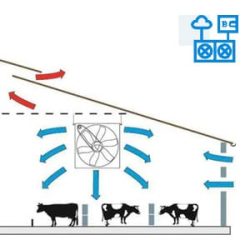
Ventilation control systems form the foundation of climate management in modern farms and industrial livestock facilities. Especially in enclosed environments, the continuous monitoring and automatic control of factors such as temperature, humidity, and air quality are critically important for protecting animal health and increasing production efficiency. With an automatic ventilation control panel, airflow throughout the entire facility can be maintained at the desired level while preventing harmful gas accumulation and sudden temperature fluctuations. Industrial ventilation control solutions provide energy savings and stable climate conditions, particularly in large-scale production facilities.
Advanced digital ventilation control units allow the operating time, speed settings, and performance data of all ventilation equipment to be monitored in real time and automatically optimized when necessary. These units continuously monitor environmental conditions through sensors and automatically control fans, windows, and climate control devices according to facility needs. With farm climate control systems, comfortable and healthy living conditions are maintained for animals during both extremely hot summers and cold winter periods.
Ventilation control systems are widely used in cattle and poultry operations. Thanks to automation, environmental conditions can be managed automatically 24/7 without constant human intervention. Through an automatic ventilation control panel, all critical values such as temperature, humidity, CO2, and ammonia levels can be easily monitored. The system’s ability to store historical data also allows climate condition analysis and easier maintenance planning.
When installing industrial ventilation control systems, factors such as user-friendly interfaces, software updates, and technical support services are extremely important. Digital ventilation control units can integrate with different devices and sensors while also offering remote monitoring and management capabilities. With farm climate control systems, production performance is improved while energy consumption is minimized.
Modern ventilation control systems also include integrated alarm and warning mechanisms. In cases of malfunction, excessive temperature increases, or ventilation interruptions, the system immediately sends notifications to facility management. With an automatic ventilation control panel, all settings can be easily configured through user-friendly interfaces, and maintenance operations can be planned efficiently.
In summary, ventilation control systems, industrial ventilation control, digital ventilation control units, automatic ventilation control panels, and farm climate control systems are the key technologies behind sustainable, healthy, and efficient production in modern livestock farming. The professional selection and installation of these systems are essential for long-term operational success.
Cattle Farming Systems
Cattle farming systems play a strategic role in today’s dairy and meat production facilities in terms of operational efficiency, animal welfare, and sustainable production. In professional farms, processes such as housing management, feeding, watering, milking, climate control, and manure handling are integrated into centralized automation infrastructures. Especially in high-capacity operations, the use of industrial cattle equipment helps reduce labor requirements while standardizing daily operations and improving productivity.
For dairy-focused operations, dairy farm equipment forms the core of the production infrastructure. These systems include automatic milking machines, milk cooling tanks, weighing systems, RFID animal identification technologies, and software-based monitoring solutions. Through an automatic milking system, milking operations are completed quickly, hygienically, and with minimum stress to the animals. Modern systems can monitor milk yield, udder health, vacuum levels, and cleaning cycles simultaneously, ensuring compliance with international hygiene and quality standards.
Cattle feeding and watering systems allow precise control of feed and water consumption for each animal. Automatic feeders, sensor-controlled drinkers, and centralized feed distribution lines help reduce waste while ensuring balanced nutrition throughout the herd. These systems contribute significantly to healthy growth, stable milk production, and efficient weight gain. Durable and easy-to-clean equipment also lowers maintenance costs while supporting overall herd health.
Advanced barn management systems include ventilation, heating, cooling, and lighting technologies. With smart automation infrastructure, environmental factors such as temperature, humidity, and air quality are monitored continuously. Fans, heaters, cooling pads, and ventilation windows operate automatically according to indoor climate conditions. In addition, manure scraping systems and automatic waste removal units maintain hygiene standards while reducing harmful gas emissions and labor requirements.
Data-driven management has become increasingly important in modern cattle farming systems. Through RFID ear tags and digital tracking software, information such as weight gain, feed consumption, health history, and production performance can be stored and analyzed in real time. Integrated industrial cattle equipment and software solutions allow farm managers to monitor operations remotely, identify potential technical issues early, and improve operational efficiency.
A professionally planned cattle farming system improves animal comfort, increases milk and meat productivity, and creates a sustainable long-term production model. With regular maintenance, proper engineering, and high-quality equipment selection, farms can achieve reliable performance, lower operational costs, and stable production standards year-round.